
New WWF report
“Transforming Food Systems in the Mekong Region”
How Cambodia and Thailand are Transforming Their Food Systems
A new WWF study reveals how current food production practices are putting pressure on nature, threatening human health and undermining the livelihoods of smallholder farmers. It also identifies the key levers needed to accelerate the transition towards more sustainable agri-food systems.
Pesticides in the blood
Nine out of ten. That was the result when researchers analysed blood samples taken from staff members of a pre-school in Thailand as part of a blood screening programme. Nine of the ten people tested had pesticide residues in their blood: residues from agricultural chemicals that had entered their bodies through food.
Prior to being confronted with this evidence, food safety remained, for many people in Thailand, an abstract concern. It featured on food labels and in news reports, yet for many households with limited incomes, safe food simply wasn’t always an option.
In neighbouring Cambodia, the situation is similar, yet different. Many farmers are aware of the risks posed by pesticides but lack practical guidance on how to use agrochemicals safely. As a result, they often spray their commercial fields while keeping a small chemical-free plot for their own families. The awareness is there. What is missing is guidance and the momentum to turn that awareness into a broader movement. These contradictions are symptomatic of a food system that has undergone fundamental change over the past decades: in the fields, among farmers, in politics, and ultimately on the plates of consumers.
From smallholder farming to monoculture?
What was once a diverse patchwork of small farms has, in many parts of the Greater Mekong Region, given way to monoculture. Cash crops such as cassava and maize are produced for animal feed and bioenergy, for domestic and regional markets, alongside rubber destined for the global market. In Thailand and Cambodia, this transformation has unfolded over decades, with enormous consequences for forests, soils, biodiversity, consumers, and farmers. Nowhere are the traces of this change more visible than in the Greater Mekong Region, renowned for its extraordinary diversity of habitats and species.
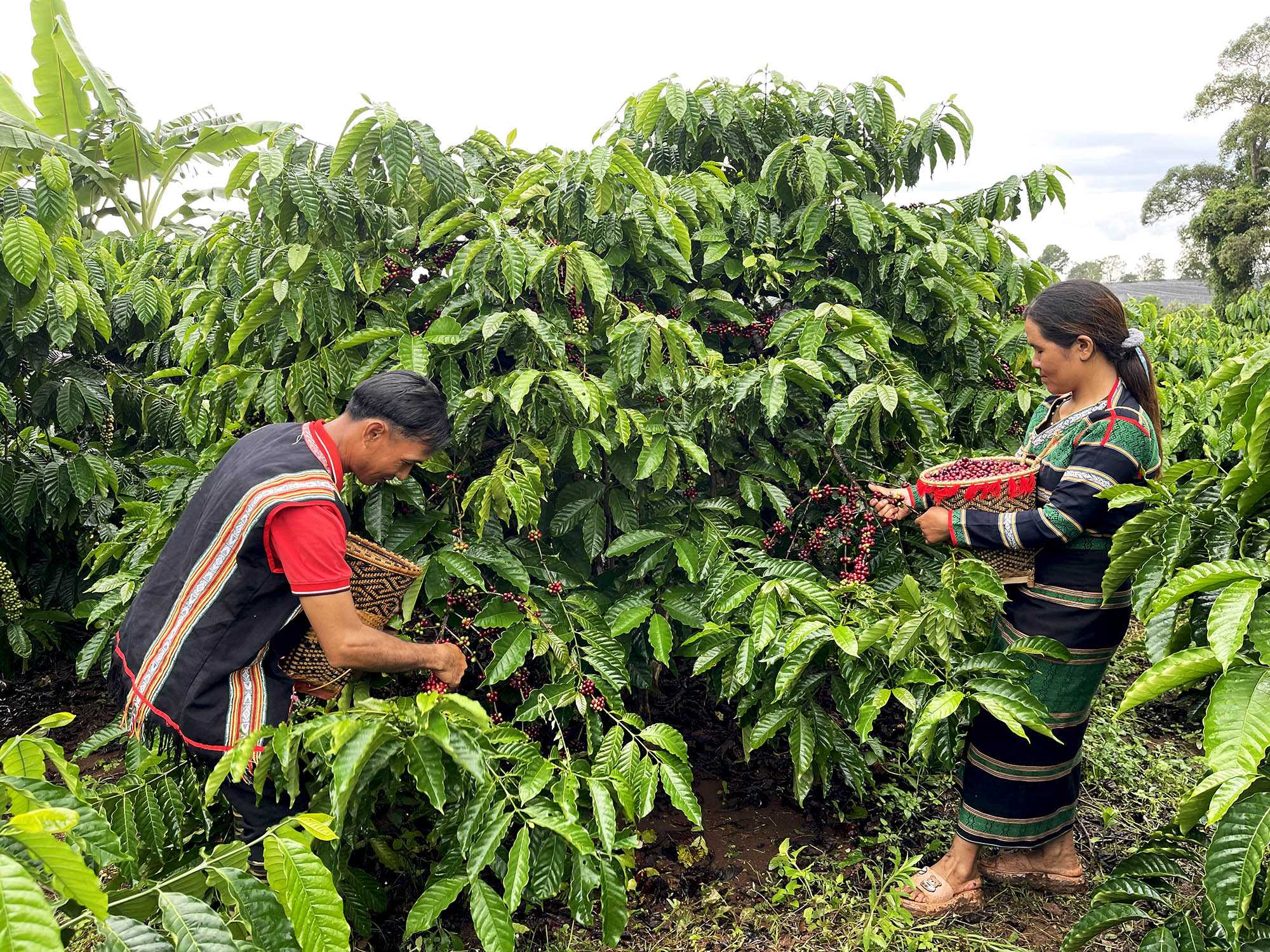
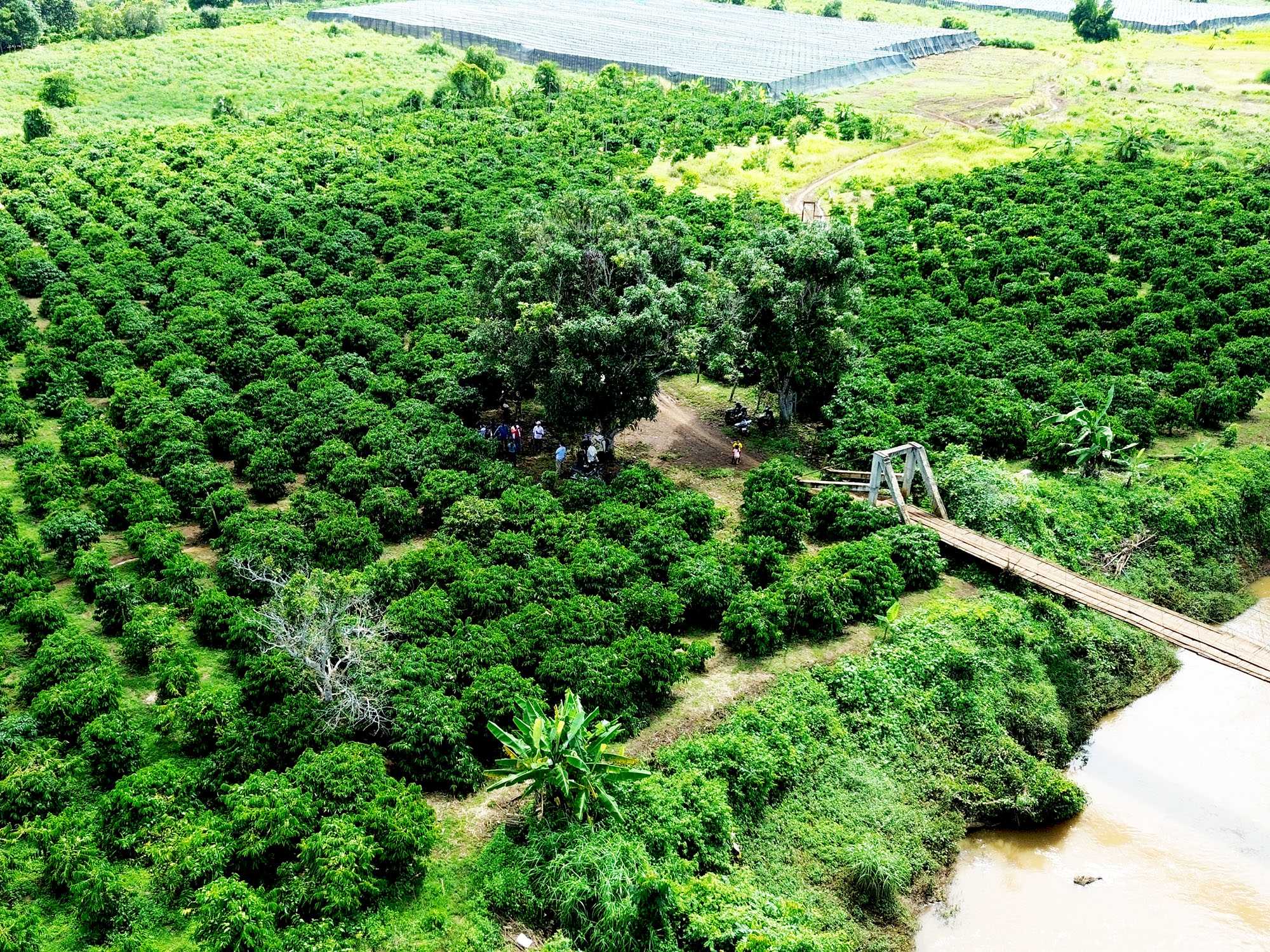
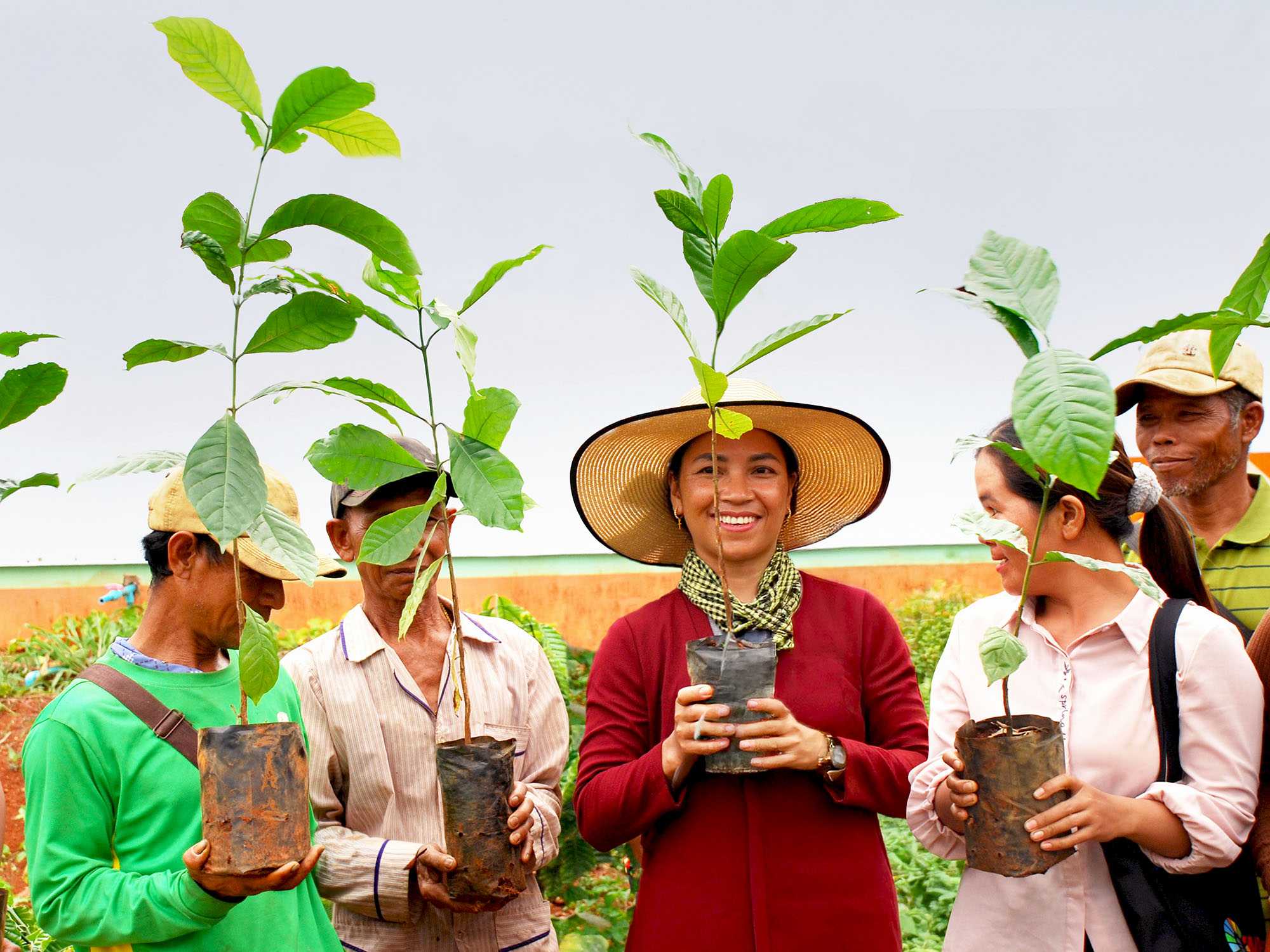
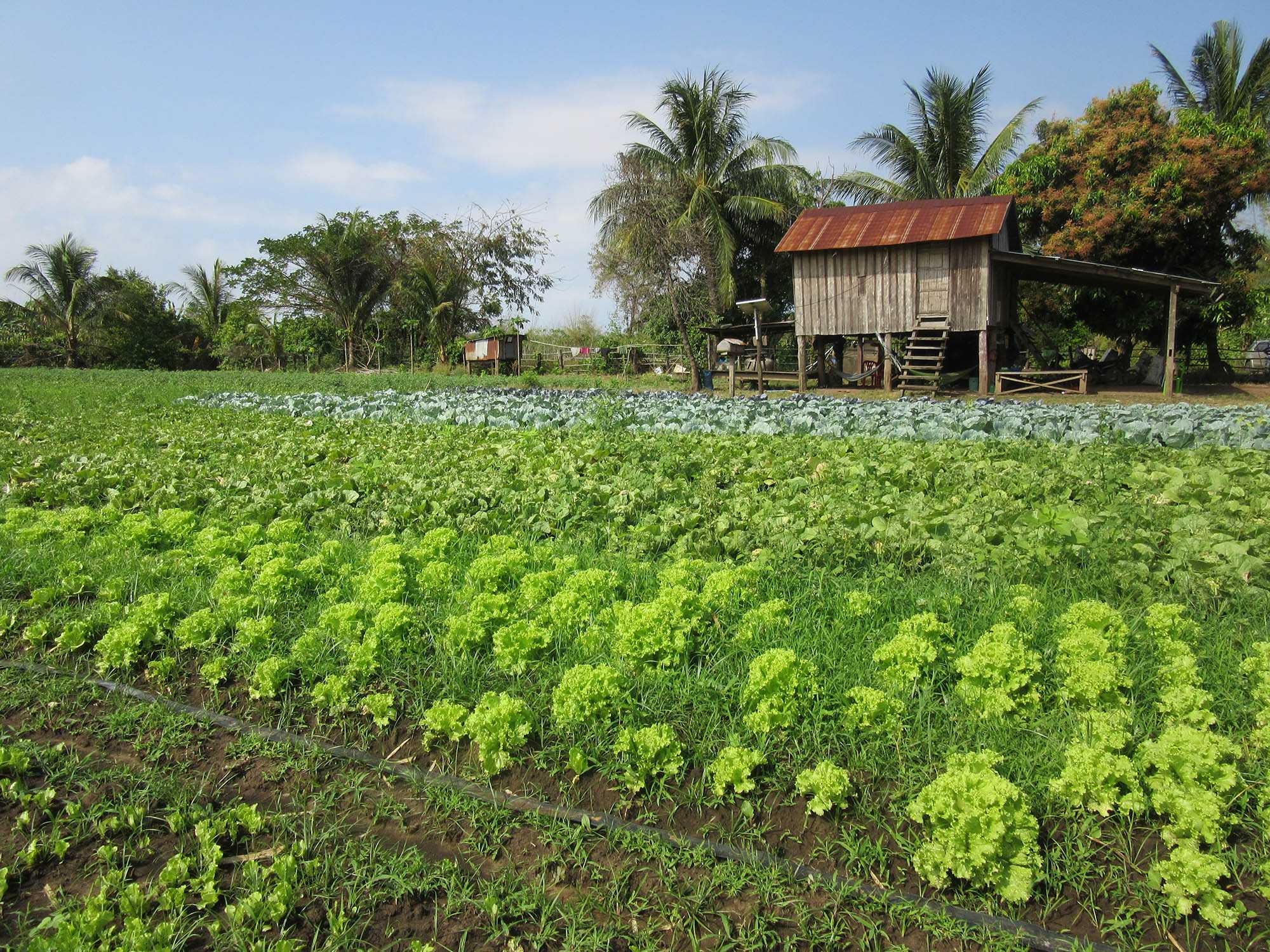
The forces driving this transformation are structural. Government programmes in both countries have actively promoted the industrialisation of agriculture and the orientation towards export markets. Under growing economic pressure, many smallholder farmers have shifted from diverse traditional farming systems to commercial cash crops that promise faster returns but might in the long run sacrifice forests and human health.
“The Mekong region, a global biodiversity hotspot, is under threat from the rapid conversion of natural habitats, driven largely by demand for land to grow cash crops such as cassava, maize and rubber”
Richter, Dr. Iris, et. al. (2026). Sustainable Agri-Food Systems for Thailand and Cambodia: Leveraging Agroecology and Healthier Consumption Environments.
Cash crops, deforestation, and health damage: a systemic spiral
The study points to a systemic link: as diverse farming systems are displaced by commodity crops in Thailand and Cambodia, the mass marketing of ultra processed foods, ready meals and cheap meat increases demand for industrial feed, further driving the expansion of cultivated land.
The effects are most visible in Northern Thailand: forests were cleared by burning to make way for vast maize fields. Diverse, organic farming systems gave way, step by step, to large-scale monocultures. With them came a rising use of agricultural chemicals and, with those, health risks for farmers and consumers alike.
Thailand's National Economic and Social Development Council estimates that around 12.3 million people (17 percent of the entire population) suffered health impacts from air pollution in 2024. In the first two months of 2025 alone, more than 980,000 new cases of illness linked to air pollution were recorded. A significant proportion of this pollution is caused by the burning of natural forests and the open field burning of crop residues on arable and maize fields.
What the WWF study shows
The expansion of maize and cassava cultivation has not only contributed to deforestation and habitat loss, it has also increased the economic vulnerability of smallholder farmers. Commercial agriculture can generate broad economic benefits. But farmers who depend on a single export crop remain highly exposed: they are tied to volatile world market prices and have little protection when prices fall.
When pressure drives change
In Thailand, the causal link between unsustainable food production, environmental destruction and direct health consequences for consumers has entered public debate. Demand for organic food has risen. There are more organic markets, particularly in urban centres such as Bangkok and Chiang Mai. Civil society organisations are campaigning for food safety, and government institutions are increasingly acknowledging the need for more sustainable production and consumption patterns. At the same time, the government has begun to monitor the use of agricultural chemicals in food production through state oversight.
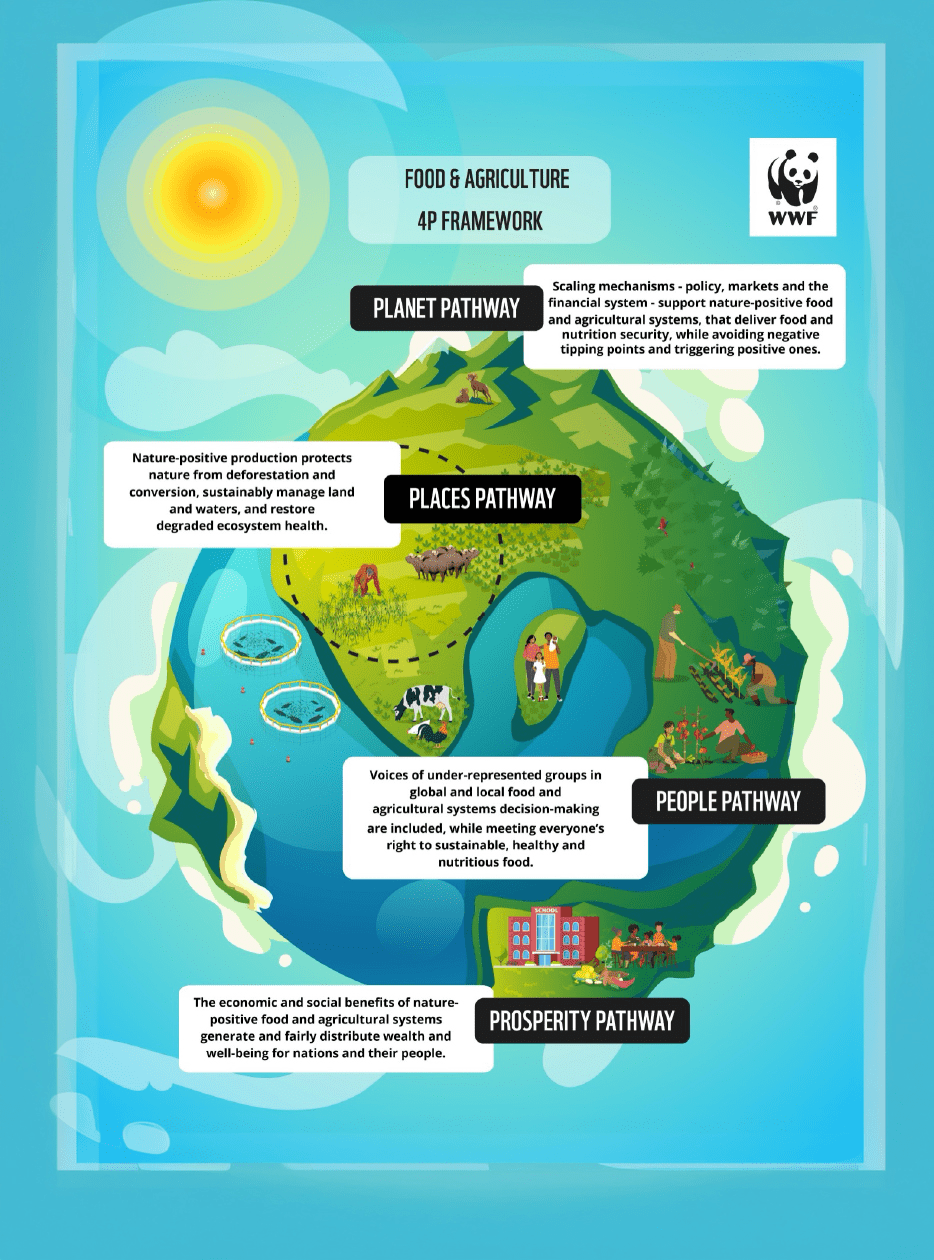
The 4 P’s in WWF’s Global Food Strategy
A region reinvents itself
A particularly compelling example can be found in the Mae Chaem district in northern Thailand. The region, long a symbol of industrial maize cultivation, has today become an important pilot landscape for restoration measures. Government agencies are working to restore former maize-growing areas through agroforestry and reforestation. Thailand's experience shows that transforming food systems sustainably requires more than a focus on agriculture alone. The transformation encompasses public health, consumer behaviour, public financing mechanisms, land-use planning and an environmental policy oriented towards sustainability.
The chicken-and-egg dilemma
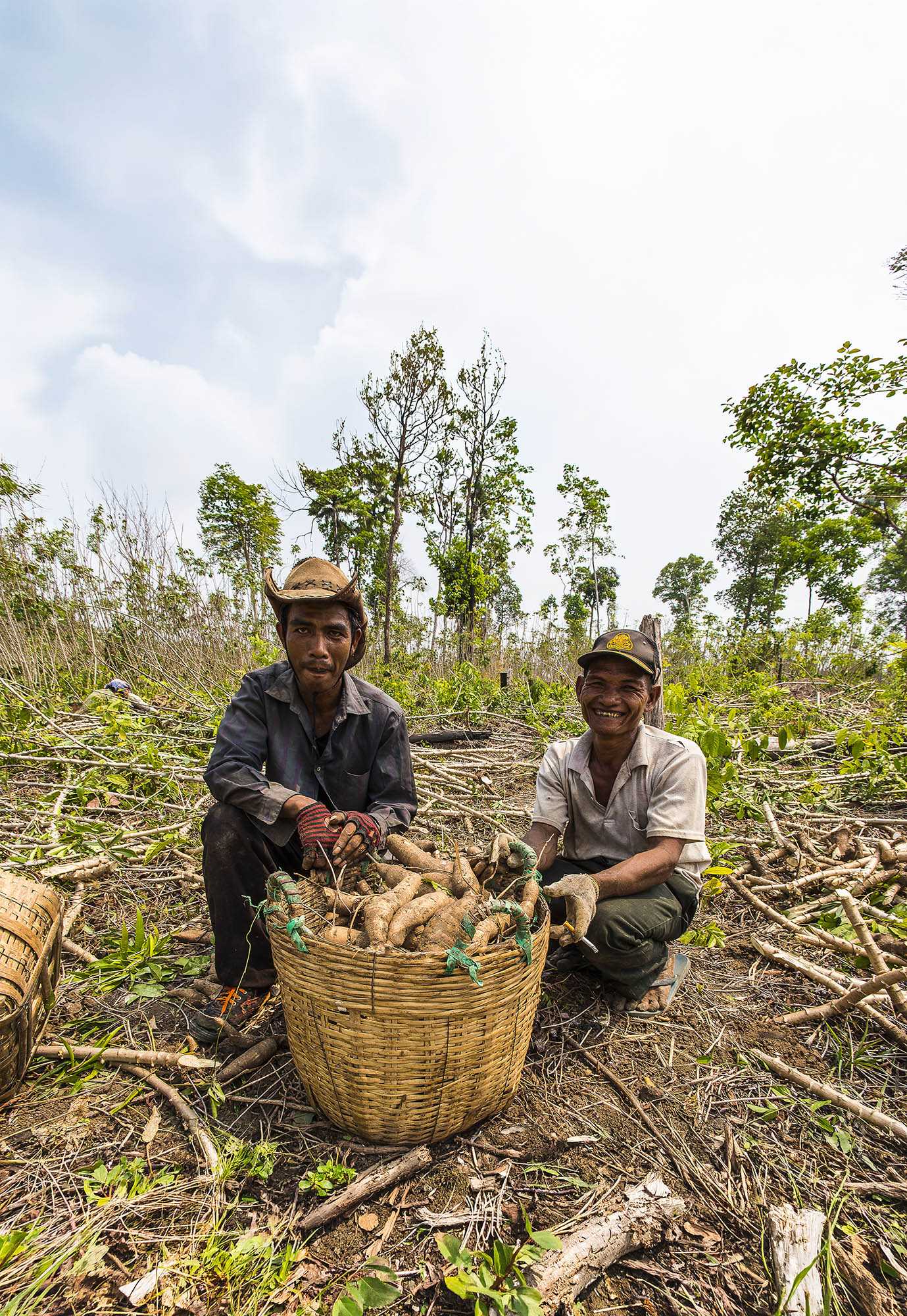
Across the border, in neighbouring Cambodia, very similar problems emerge, though from an entirely different starting point. For many Cambodian farmers, cassava is today the primary source of income. At the same time, its cultivation confronts the country with one of its greatest ecological challenges. Over the past two decades, cassava cultivation has expanded at a rapid pace: from less than 26,000 hectares in 2003, the cultivated area grew to more than 656,000 hectares by 2021. Today, Cambodia produces more than 12 million tonnes of cassava annually, making it one of the country's most important agricultural commodities.
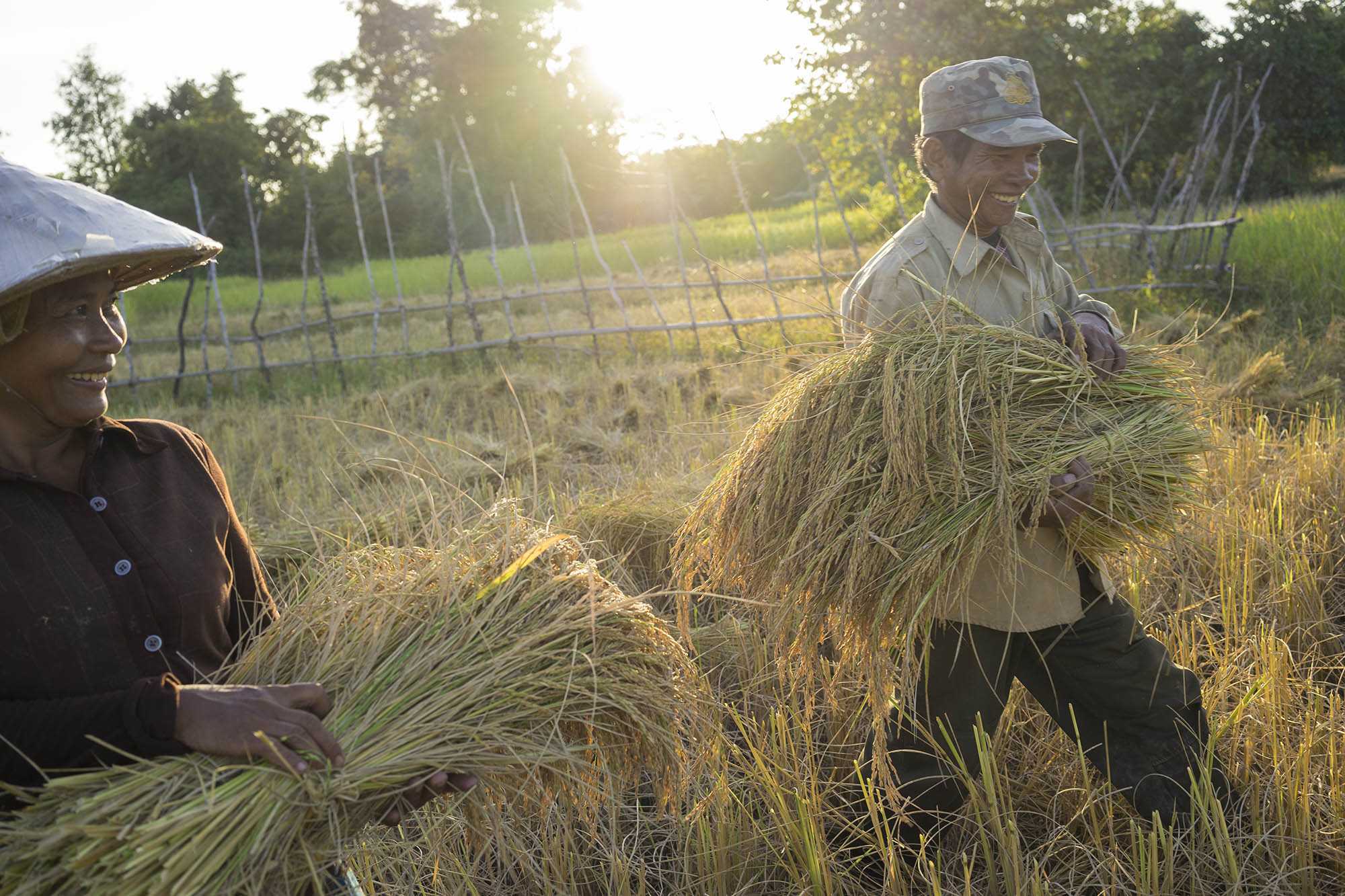
This development reflects a broader trend. The government has prioritised the commercialisation of agriculture, export growth and productivity gains. Smallholder land rights remain unclear. In many areas, farmers also face pressure to cultivate land to secure or maintain a claim to it. Land conversion and forest loss are the immediate consequences. Sustainable approaches focused on smallholder farmers have received comparatively little support. Many smallholders thus face a difficult reality: protecting landscapes and forests matters. But so does securing a reliable income.
“Smallholder farmers, who represent the backbone of rural economies in the region, are often locked into a cycle of dependence on expensive pesticides, fertilizers and seeds, as well as volatile international markets.”
Richter, Dr. Iris, et. al. (2026). Sustainable Agri-Food Systems for Thailand and Cambodia: Leveraging Agroecology and Healthier Consumption Environments.
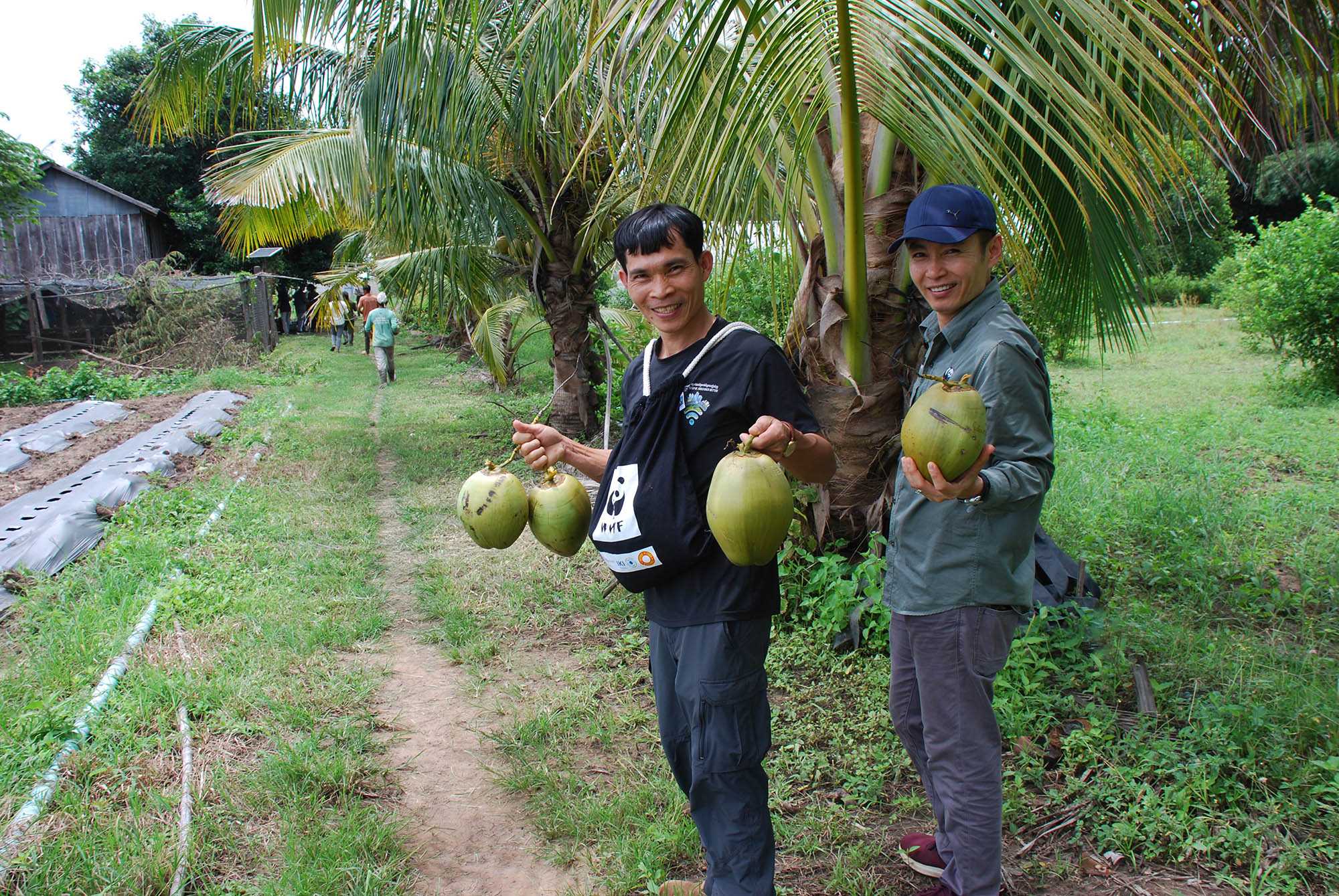
The result is a food system trapped in a cycle that is difficult to break. Those looking to buy sustainable food in Cambodia faces a long search. Organic produce is largely absent from many markets, available only in a small selection of specialised supermarkets in the capital. Across the entire country, just five farms are certified organic under the national COrAA standard: ten more hold certification under the government standard CamOrganic. Because demand remains weak, sustainable production is not worthwhile. Because production is lacking, demand remains absent. The study calls it a “chicken-and-egg dilemma.” Farmers have little incentive to switch and instead continue to focus on cash crops.
There is a further complication: Cambodian agricultural policy consistently promotes large-scale industrial farming for commercial crops and animal feed. Small-scale operations are often regarded as backward and inefficient. A new government initiative promoting so-called “modern agricultural communities” targets land consolidation, mechanised high-intensity cultivation and pesticide use, without any sustainability criteria.
Where the solutions lie
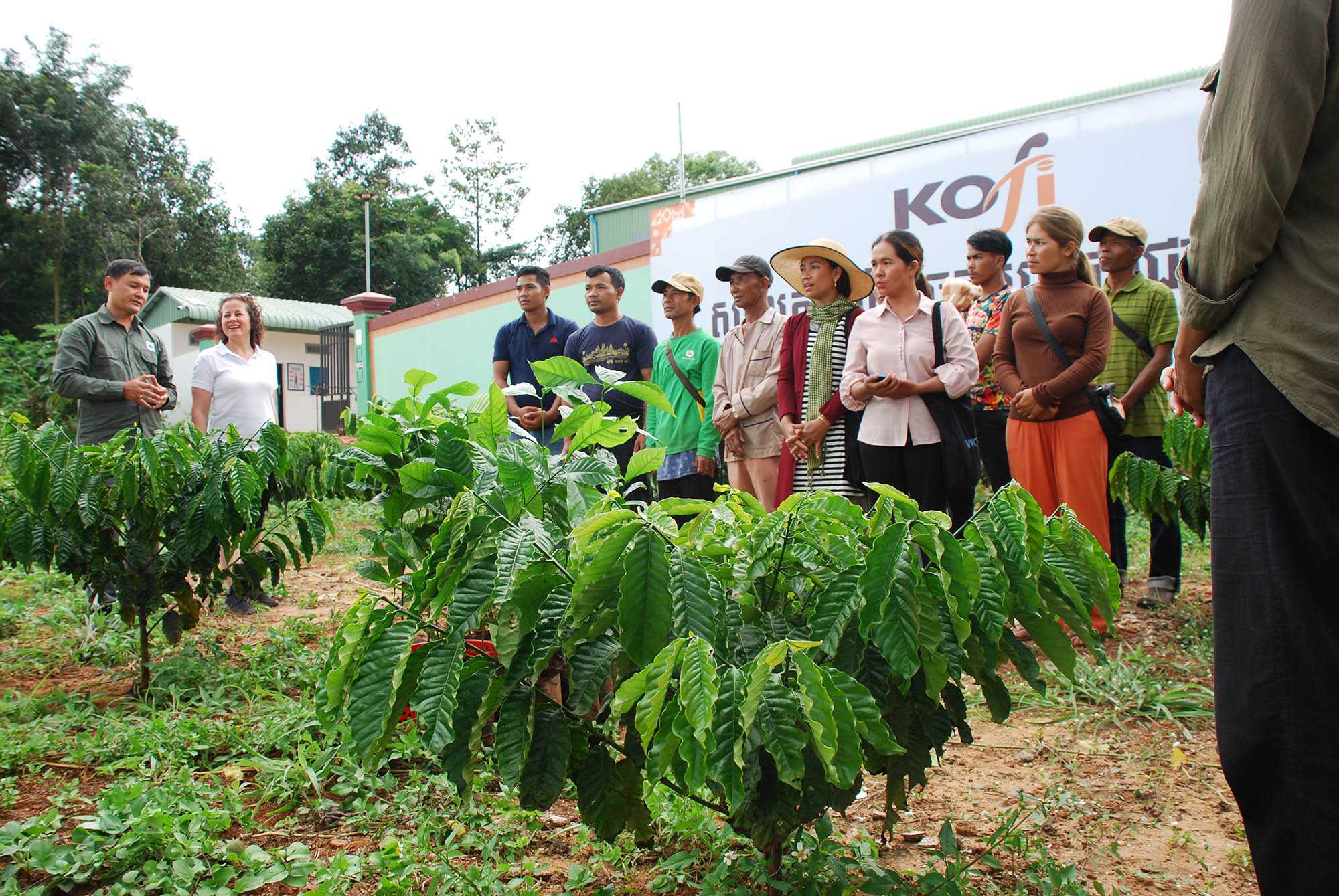
Solutions exist. What is lacking are the conditions that allow new approaches to take root and grow to scale. The study takes a pragmatic view: one of the most effective entry points for change may be human health. Not abstract biodiversity figures, but the very concrete question of what is in the food we eat. When consumers understand what agricultural chemicals do to their food, demand for safer products will follow. Thailand’s experience strongly suggests this. For Cambodia, the study recommends continuing pilot projects in Mondulkiri Province, as a pathway towards more sustainable agricultural production. This includes reducing the use of agrochemicals and, where feasible, gradually transitioning to organic production. This should be accompanied by targeted marketing that connects sustainably producing farms with the growing urban consumer base in and around Phnom Penh.
Targeted behaviour changes initiatives, stronger support for ecological production, better market access and a growing public awareness: these are the levers the report identifies. Equally important are framework conditions that support smallholder farmers and make sustainable products more accessible to consumers. Behind both countries lies the same structural truth, one that extends far beyond the Mekong Region: a substantial reduction in deforestation driven by feed crops will ultimately only be achieved through a decline in meat consumption, both domestically and in export markets. It is this consumption that drives demand for animal feed and, with it, the pressure on forests and soils.
The change has already begun
Thailand and Cambodia are at very different stages in the transformation of their agricultural systems. But together they show what is at stake in the Mekong Region and what is possible when political will, civic engagement, consumer behaviour and economic incentives point in the same direction. The connection between what happens in the field and what ends up on our plates is no longer an abstract proposition. It shows itself in the blood of tested government officials, in the air above Chiang Mai, at the forest edges of Mondulkiri, and in the price of chicken at the supermarket. Those who understand this connection have already taken the first step.
Read the full report
WWF’s Future Food Together initiative is tackling these issues